
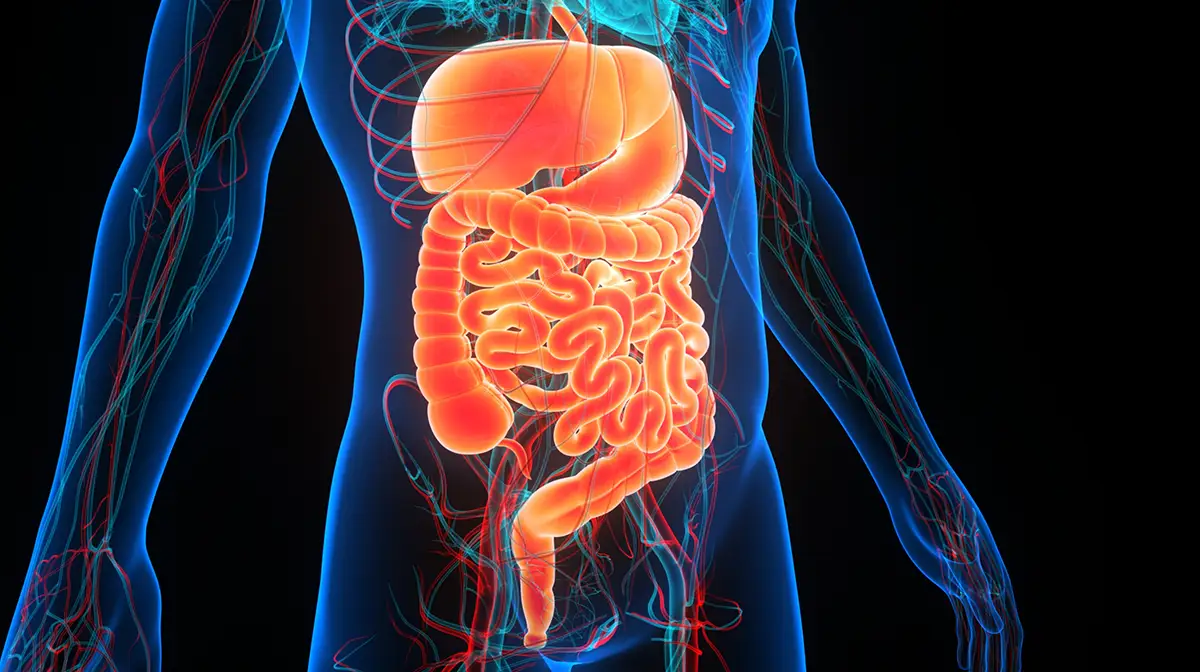
It happens to everyone—that sudden, urgent feeling of an upset stomach. But when diarrhea, nausea, or vomiting interrupt your life, it’s more than just an inconvenience. It can be painful and deeply disruptive.
Here, we break down the most common causes of stomach sickness. We’ll show you:
- The fastest ways to feel better,
- How long you should expect symptoms to last,
- and, most importantly, when that discomfort signals it’s definitely time for professional help.
What causes nausea?
Nausea: that terrible feeling of being sick to your stomach. It’s one of the most common physical complaints, and it has a massive list of potential triggers. While we often link it to food poisoning or a quick stomach bug, there are many reasons behind nausea and vomiting. They range from simple motion sickness and stress to more serious underlying conditions. Because nausea is such a general symptom, we’ll help you understand the different causes and when a doctor is necessary.
Some of the most common causes of nausea are:
- Stomach bug (gastroenteritis)
- Medication
- GERD
- Motion sickness
- Pregnancy
If you’ve tried using over-the-counter options like ginger, Dramamine, or Pepto-bismol and are still feeling sick, come see us. We can work with you to evaluate the root cause of your nausea. Then, we can offer a prescription for medication like Zofran to provide you some relief. We keep these oral or IV medications in our clinic to administer depending on the severity of your symptoms.
What causes diarrhea?
Diarrhea can be caused by a variety of factors, including:
- Bacterial, viral, or parasitic infections (like food poisoning, norovirus, rotavirus).
- Food sensitivities like lactose intolerance, gluten intolerance or Celiac disease.
- Certain medications like antibiotics, laxatives, and chemo drugs.
- Conditions like irritable bowel syndrome (IBS) and inflammatory bowel disease (IBD).
- Stress or anxiety can sometimes lead to diarrhea or an upset stomach. The digestive system is sensitive to stress hormones. If stress-induced diarrhea happens regularly, try some relaxation techniques.
- Eating food or drinking water with bacteria, viruses, or parasites can cause traveler’s diarrhea.
- Eating a lot of fatty foods, artificial sweeteners, or caffeine.
If you’re having diarrhea and need relief, schedule an appointment or walk in today. The physicians at Sand Canyon Urgent Care will discuss your symptoms and history to determine the best course of action. Don’t worry, we’ve seen it all and would be more than happy to evaluate you no matter your symptoms. Seeking care can help you determine the best steps to take, if any.
What is the fastest way to stop diarrhea? Should you let diarrhea run its course?
In most cases, diarrhea is temporary and goes away on its own. See a doctor if the problem lasts more than a few days. You should also go if you have severe pain, fever, or blood in your stool. A doctor can assist you in identifying the cause and finding relief.
The BRAT diet (bananas, rice, applesauce, toast) is ideal for diarrhea. These foods are gentle on the stomach, help replace lost nutrients, and firm up stool.
Food Poisoning and Vomiting
What causes food poisoning?
Food poisoning arises from tainted food or water. Usual suspects include:
- Salmonella (found in raw poultry and eggs),
- E. coli (in undercooked beef),
- and Norovirus (often spread through food or water).
It can also result from toxins produced by bacteria like Staphylococcus aureus in improperly stored food.
How soon after food poisoning do you vomit?
We can generally split the timing based on the cause:
Quick Onset (1 to 6 Hours).When you get sick this fast, it’s usually because you swallowed toxins. Toxins are made by bacteria. The bacteria itself didn’t need time to grow inside you. Common culprits here are toxins from bacteria often found in things like reheated rice or dairy-based foods.
Slower Onset (6 Hours to 2 Days). If symptoms are delayed, it means the virus or bacteria had to multiply first. This happens with common germs like Salmonella, E. coli, and Norovirus.
How long does an upset stomach last after food poisoning?
An upset stomach caused by food poisoning typically lasts anywhere from 24 to 48 hours. This can vary depending on the severity of the infection. If food poisoning symptoms last longer than 48 hours, visit your physician.
Other causes of Nausea and Vomiting
Nausea and vomiting can be caused by many things, including:
- Stomach Issues: Conditions like gastritis, indigestion, or GERD (acid reflux) can make you feel sick to your stomach.
- Infections: Viruses like norovirus or stomach flu, as well as food poisoning, can cause nausea and vomiting.
- Medications: Some drugs, including antibiotics, painkillers, and chemo drugs, can upset your stomach.
- Pregnancy: Morning sickness during pregnancy often causes nausea and vomiting, especially in early stages.
- Headaches or Brain Issues: Migraines and head injuries can cause nausea, as can increased pressure in the brain.
- Toxins and Alcohol: Alcohol poisoning or exposure to poisons can lead to vomiting.
- Endocrine Issues: Conditions like diabetes (diabetic ketoacidosis) or thyroid problems can cause nausea.
- Anxiety: Stress and anxiety can upset your stomach and make you feel nauseous.
- Heart Problems: Sometimes, nausea and vomiting can be symptoms of a heart attack.
- Other Causes: Dehydration, food allergies, overeating, or even motion sickness can also make you feel sick.
If nausea and vomiting continue or are severe, it is important to see a doctor for a proper diagnosis. Additionally, if you ever see a light pink or reddish coloring in your vomit, seek medical attention as this could be blood. Blood in vomit needs urgent medical evaluation.
When to Stop Googling and Start Healing
Dealing with sudden, painful, or disruptive symptoms like diarrhea, vomiting, or persistent nausea? Knowing whether to wait it out or seek help can be stressful. We hope this guide has given you a clearer idea of what your symptoms might mean and how long they should last. We’re here to help you find quick relief either from home or in our clinic.
Remember: while many tummy troubles resolve in 24 to 48 hours, severe pain, high fever, signs of blood or dehydration, or symptoms that persist longer than two days are signals that you need professional attention. Our physicians are experts in quickly diagnosing and treating all gastrointestinal ailments.
Don’t suffer in silence. We’ve seen it all, and we are here to help you get back on your feet quickly.
Click below to secure an appointment time and find the relief you need today.


